
Introduction
Most people don’t expect to need a root canal until they’re sitting in the dental chair discussing one.
In reality, the need for root canal treatment usually develops gradually. A small cavity, an unnoticed crack, or an old filling that begins to fail can allow bacteria to reach the inside of the tooth.
Once the pulp becomes infected or inflamed, the tooth often can’t heal on its own.
The good news is that a root canal isn’t performed to remove a tooth; it’s performed to save one. Treating the infection early helps relieve discomfort, protects the remaining tooth structure, and often prevents extraction.
Understanding when a root canal becomes necessary can help you seek treatment before the problem becomes more serious.
When Is a Root Canal Usually Needed?
Persistent toothache that will not subside
Occasional tooth sensitivity is nothing to worry about, but pain that lasts for several days or comes and goes regularly should be checked out by a professional.
If the pain is worse when you chew, keeps you awake at night, or gets worse over time, it may be a sign that the tissue inside the tooth has been affected. A dental exam can help determine if a root canal treatment is the most appropriate solution.
The inside of the tooth is affected by deep decay
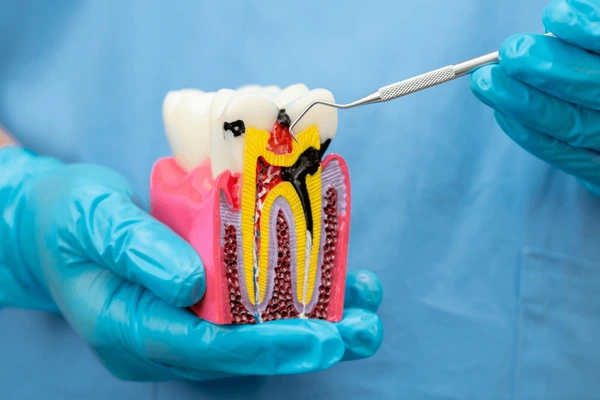
The worse the cavities, the harder they are to treat. Once decay has spread past the enamel and dentin to the pulp, a filling alone usually isn’t enough to fix the problem.
At this stage, the best chance of saving the natural tooth often lies in removing the infected tissue through a root canal in Beaumont, TX.
Swelling or tenderness around a tooth
Gum swelling around a single tooth should not be ignored, especially if accompanied by pain or tenderness.
These symptoms could indicate an infection that’s starting to spread beyond the tooth. Early treatment removes the source of infection and prevents further complications.
A broken tooth has become infected
Sometimes bacteria can get inside the tooth through cracks, fractures, or previous dental work. Infections can develop over time, even if the injury occurred months ago.
If enough healthy tooth structure remains, a root canal will often allow the tooth to be saved rather than extracted.
How Root Canal Treatment Works
Stage I – Identifying the source of the problem
Treatment begins with a detailed examination of the affected tooth. Your root canal dentist in Beaumont, TX, reviews your symptoms, evaluates the tooth clinically, and takes digital X-rays when necessary to determine whether the pulp has become infected or inflamed.
This step ensures that root canal treatment is indeed the most appropriate option before proceeding.
Stage II – Removing the infected tissue carefully
After the tooth has been comfortably numbed, a small opening is created to reach the root canal.
Once there’s easy access, your dentist will use a specialized instrument to remove the infected or damaged tissue from the root canals. The goal is to eliminate bacteria while preserving the tooth’s healthy outer structure.
Stage III – The tooth is sealed for improved protection
Once the canals have been cleaned, they’re filled with a biocompatible material that helps prevent future bacterial contamination.
Depending on the amount of remaining tooth structure, your dentist may recommend placing a dental crown afterward to strengthen and protect the treated tooth for long-term function.
At A Glance
| Who Qualifies? | Patients experiencing persistent tooth pain, prolonged sensitivity, deep decay, or swelling are ideal candidates for the treatment. |
| Process Overview | Step 1 Your dentist examines the tooth, reviews your symptoms, and takes digital X-rays if needed. Step 2 The infected tissue is removed, and the root canals are cleaned and sealed. Step 3 The tooth is restored to protect it and help preserve long-term function. |
| Timeline | Root canal treatments are completed in one or two appointments, depending on the condition of the tooth |
| Aftercare | Follow your dentist’s instructions and avoid chewing on the treated tooth until the final restoration is complete. |
| Location & Contact | Beaumont Smile Center3560 Delaware St #102, Beaumont, TX 77706, United States |
Why Many Patients Choose Root Canal Treatment
Removes the cause of infection
An infected pulp rarely heals on its own, and tooth pain usually doesn’t disappear without professional help. Pain medication may temporarily relieve discomfort, but it will not cure the bacteria causing the problem.
Root canal treatment in Beaumont, TX, cleans and disinfects the inside of the tooth to eliminate the infection at its source. In addition to protecting the involved tooth, you can also help protect the surrounding tissues by treating the source and not just the symptoms.
Provides comfortable chewing
You may chew on the other side of your mouth without even realizing it when you have a toothache.
It can put additional strain on healthy teeth and make eating less pleasurable over time. Once a tooth has been treated and restored, many patients can chew comfortably again and eat a wider variety of foods without fear of pain.
Prevents more serious dental problems from developing
It is unusual for an untreated infection to be limited to a single tooth. Bacteria can spread and affect the surrounding bone and gum tissue, making treatment more complicated.
Your dentist in Beaumont, TX, can save the tooth before further damage occurs, and early intervention can often eliminate the need for more extensive restorative procedures.
Supports the long-term health of your mouth
Each natural tooth plays a part in balancing your smile. A root canal treatment that saves a tooth can help maintain space, support normal bite alignment, and prevent other teeth from moving into the open space.
Whenever possible, one of the best ways to ensure long-term oral health is to preserve the natural tooth.
A predictable treatment with long-term results
Root canal therapy has been a mainstay of modern dentistry for decades. Thanks to advances in imaging, anesthesia, and treatment techniques, today’s procedures are more comfortable and predictable than many patients might expect.
A treated tooth can often perform successfully for many years if followed by appropriate restoration and good oral hygiene.
Why Patients in Beaumont Seek Early Root Canal Treatment
A lot of people wait until the pain in their tooth is too severe to ignore before they make an appointment. Unfortunately, infections inside a tooth often don’t heal on their own, and delaying treatment can reduce your chances of saving the natural tooth. Seeking care when symptoms first appear often allows treatment before the condition becomes more serious.
Patients seeking root canal treatment in Beaumont, TX, tend to want clear answers about the cause of their discomfort and whether their tooth can be saved. A visit to an experienced dentist allows you to identify the root cause early and formulate a treatment plan that ensures comfort and long-term oral health.
FAQs
1. How do I determine whether I need a root canal?
If the inside of a tooth is affected, there are several signs, such as a persistent toothache, prolonged sensitivity to hot and cold, swelling around a tooth, pain when biting or chewing, or deep decay. The best way to determine if root canal treatment is needed is through a dental exam and digital X-rays.
2. Are root canals painful?
Modern root canal treatment is performed under local anesthesia and is a much more comfortable procedure than many people anticipate. A bit of mild soreness afterward is normal, but it generally improves within a few days as the tooth begins to heal.
3. How much time does root canal treatment require?
Many root canal procedures are finished in one or two appointments. How long this will take depends on several factors, such as the condition of the tooth, how deep the infection is, and whether a dental crown is recommended.
4. Do I need a crown after a root canal?
A dental crown is highly beneficial for many teeth, particularly molars and premolars, following endodontic treatment in Beaumont, TX. It helps restore strength and safeguards the tooth against future fractures. Your dentist will recommend the best restoration for your situation.
5. Can every infected tooth be saved with a root canal?
Not all teeth are saveable, but many are if treatment is begun before the damage is too severe. Your dentist has the best chance of saving the natural tooth if it is evaluated early and extraction is avoided whenever possible.
Conclusion
A root canal is recommended to save your natural tooth if possible. The procedure removes infection, relieves discomfort, and restores strength to the tooth, protecting your smile. It can also prevent more serious complications from developing.
If caught early, there is often a better outcome, and many patients can retain their natural teeth for many years to come.
Have persistent tooth pain? Been told root canal therapy might be an option for you? Make an appointment with Beaumont Smile Center.